Whole Foods11 min read
Dietary Iron: Animal or Plant Sources, Absorption and Useful Combinations
Animal and plant sources, absorption, vitamin C, meal-related factors, and precautions when a deficiency is suspected.
AT A GLANCE
Before you dive in.
Animal and plant sources, absorption, vitamin C, meal-related factors, and precautions when a deficiency is suspected.
Explore the articleDietary iron isn't fully understood by simply reading a column of milligrams. Two meals can display a comparable amount of iron and still lead to different absorption. The form of iron, the content of the meal, the person's stores, any inflammation, and physiological needs all change the response.
1. Two forms of iron in food
2. Where to find dietary iron
3. Why the body's stores matter so much
4. The simplest combination: plant iron and vitamin C
5. Tea, coffee, phytates and calcium: adjust without stiffening the plate
6. Benchmarks for a plant-based diet
7. When to seek medical advice
8. A practical method for planning meals
09FAQ
01Is plant-based iron useless? No. It's absorbed less well on average, but it genuinely contributes to intake. The composition of the meal and individual status change its absorption.
02Should tea and coffee be eliminated? No. They can reduce the absorption of non-heme iron when consumed with a meal. Spacing them out can be useful if iron status is a concern.
03Can iron be taken without testing? It's best to avoid self-medication. A suspected deficiency should be checked with a professional before any supplementation.
Sources
Peer-reviewed studies and institutional references used for this article.
- 1NIH, Office of Dietary Supplements· 2024Official guidelineEstablished
professional reference fact sheet on iron
View source - 2Anses (French food safety agency)· 2022Official guidelineEstablished
official overview of dietary iron
View source - 3Systematic review, American Journal of Clinical Nutrition· 2013Systematic reviewLikely
iron absorption from whole diets
View source
Comments0 comments
No comments yet. Be the first to react.
Sign in to leave a comment. Sign in
Editor's reading list
Related reading
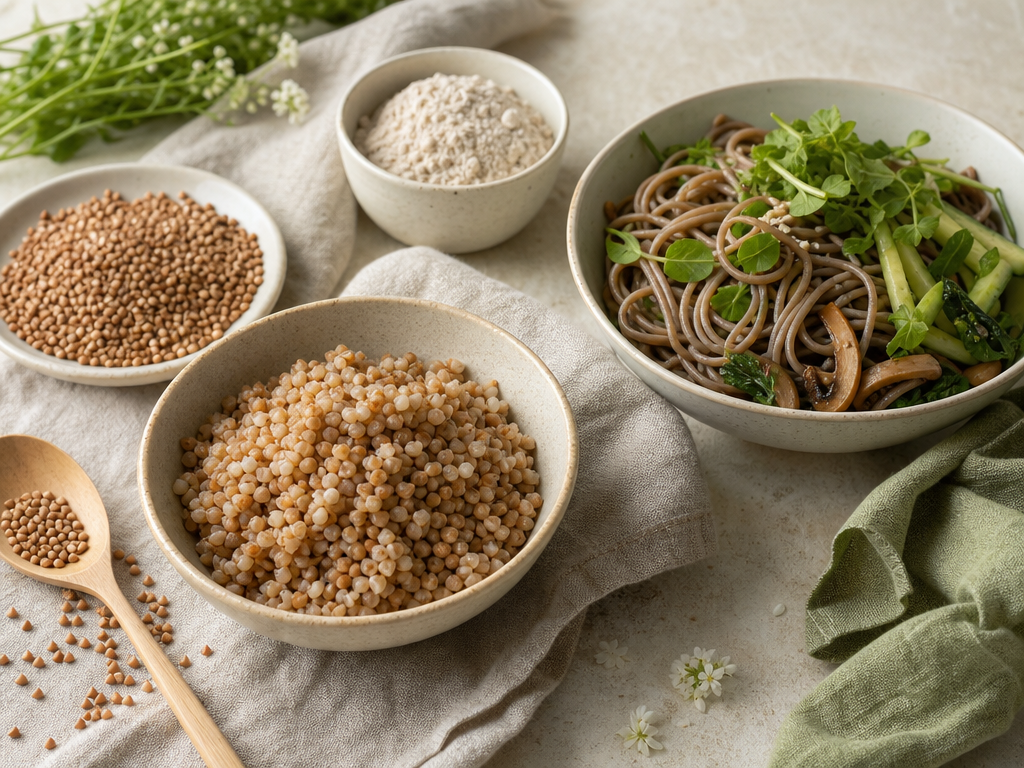
Buckwheat: nutrition, cooking and gluten-free precautions
Naturally gluten-free, with a nutritional profile worth knowing: how to cook buckwheat and read its limits without overselling it.
By Claire Mercier10 min read543
Mushrooms and Vitamin D2: The Role of UV Light
Mushrooms can contain vitamin D2 after UV exposure, but variety, storage, and cooking change the picture considerably.
By Claire Mercier5 min read514
Sourdough or Whole-Grain Bread: Fermentation, Fiber and a Practical Choice
Sourdough, whole grain, fiber, fermentation, gluten, salt and the label: the right criteria for choosing a bread day to day.
By Claire Mercier9 min read438