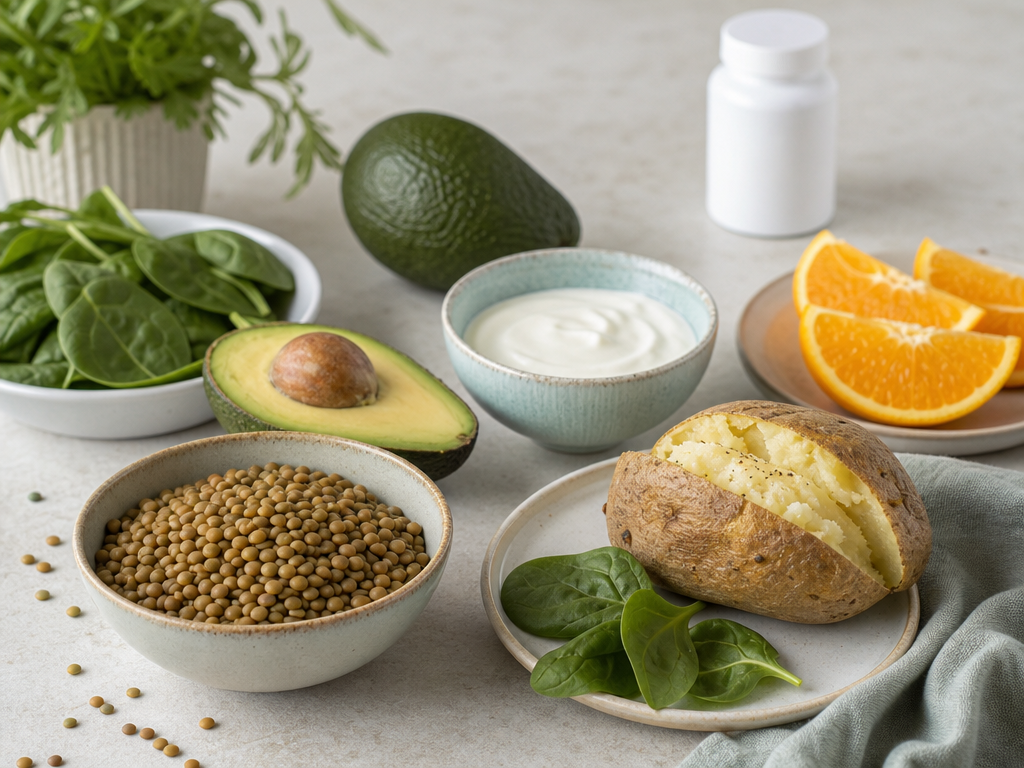
Potassium supplements: needs, sources and the risk of hyperkalemia
Potassium is vital, but supplements carry risks. Our guide covers needs, food sources vs. pills, and why medical advice is crucial before taking them.
By Claire Mercier8 min read548
By
Nutritionist, MSc
Registered nutritionist focused on whole-food diets and metabolic health.

Potassium is vital, but supplements carry risks. Our guide covers needs, food sources vs. pills, and why medical advice is crucial before taking them.
By Claire Mercier·8 min read·548
Better-refreshed air is linked to slightly more efficient sleep, but noise, heat, and outdoor pollution matter too. What studies show and how to ventilate without creating other problems.
By Claire Mercier·7 min read·571

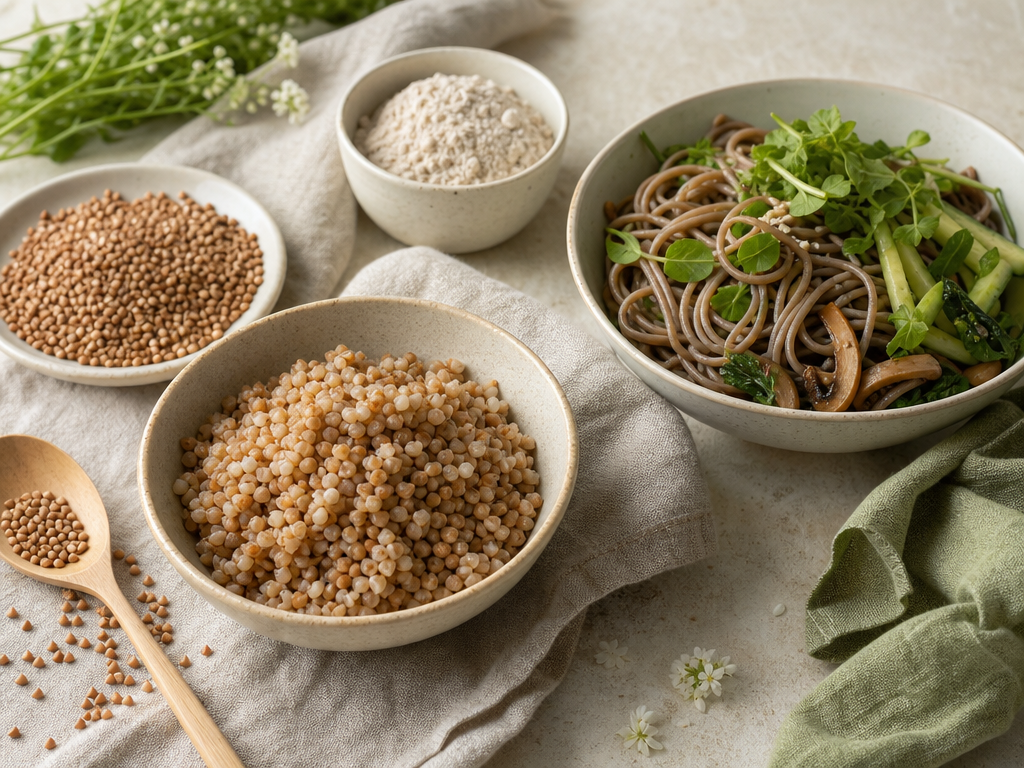
Naturally gluten-free, with a nutritional profile worth knowing: how to cook buckwheat and read its limits without overselling it.
By Claire Mercier·10 min read·543
Can a hot or warm shower before bed help you sleep? Studied timing, temperature, the limits of the evidence, and precautions.
By Claire Mercier·10 min read·489
Copper is essential in very small amounts. Supplementation is worth discussing only in specific situations; Wilson's disease, the liver, high-dose zinc, and stacking supplements all change the decision.
By Claire Mercier·10 min read·534
Mushrooms can contain vitamin D2 after UV exposure, but variety, storage, and cooking change the picture considerably.
By Claire Mercier·5 min read·514
Watches, rings, and apps estimate your sleep, without measuring it directly. What they capture well, what they estimate poorly, and how to keep the score from becoming a source of stress.
By Claire Mercier·7 min read·430
Early bird, night owl, imposed schedules, light and social jetlag: how to better understand your chronotype without forcing your sleep.
By Claire Mercier·10 min read·450
Dietary folate, folic acid, and methylfolate: EFSA benchmarks, planning a pregnancy, the MTHFR mutation and genetic tests, food fortification, the 1,000 µg limit, the link with B12, and drug interactions.
By Claire Mercier·8 min read·468
Vitamin B6 hides in B-complex products, magnesium, multivitamins, and "energy" formulas. The risk isn't dietary B6, but the prolonged stacking of supplements.
By Claire Mercier·10 min read·408
NSDR is a guided rest promising rapid recovery. While studies show modest, brief dips in fatigue, it is not a substitute for sleep or insomnia treatment.
By Claire Mercier·6 min read·407
Iron bisglycinate may be better tolerated in some trials, particularly during pregnancy. The real question remains the diagnosis: a documented deficiency, an identified cause, the elemental iron dose, and interactions.
By Claire Mercier·11 min read·427
Sourdough, whole grain, fiber, fermentation, gluten, salt and the label: the right criteria for choosing a bread day to day.
By Claire Mercier·9 min read·438
Melatonin mainly acts as a rhythm signal. It can help with certain jet lag or falling-asleep difficulties, but timing, dose, and interactions matter a great deal.
By Claire Mercier·8 min read·470
Forest bathing: what studies suggest about stress, the limits of the evidence, and a simple, safe way to try the practice.
By Claire Mercier·7 min read·427
Psyllium forms a gel when mixed with water and can help relieve some types of constipation. Taking enough fluid, increasing the dose gradually and checking medication timing are essential.
By Claire Mercier·10 min read·408
A room that's too warm fragments sleep, but there's no perfect number. What studies show, the role of bedding, and a simple method for finding your own setting.
By Claire Mercier·7 min read·440
Tofu or tempeh? Protein, calcium, fiber, and fermentation compared using USDA data, what the word "fermented" really means, and how to read the label.
By Claire Mercier·8 min read·488
Standardized horse chestnut seed extract can relieve heavy leg symptoms in venous insufficiency. Discover the evidence, correct dosage, forms, and precautions.
By Claire Mercier·10 min read·429
Sleepmaxxing: telling apart the useful basics, the uncertain gadgets, and the performance pressure, with safety benchmarks.
By Claire Mercier·10 min read·442
Who should get their B12 tested, how to read the result, why absorption matters as much as diet, and when a supplement is no longer enough.
By Claire Mercier·9 min read·432
Oat beta-glucans can help lower LDL cholesterol, but the amount and product matter. Learn how to calculate portions, prepare oats and increase fiber without unnecessary digestive discomfort.
By Claire Mercier·15 min read·424
Valerian teas, powders, extracts and herbal blends are not interchangeable. Evidence for insomnia remains inconsistent, and precautions matter.
By Claire Mercier·10 min read·452
Music can improve perceived sleep for some people, but a tune stuck on repeat in your head can also disrupt it. What studies show, and how to test it carefully.
By Claire Mercier·7 min read·416
Raw or cooked spinach: oxalates, minerals, cooking water, and digestive tolerance all change depending on preparation.
By Claire Mercier·7 min read·439
The word ginseng covers several plants and preparations. The evidence is stronger for certain traditional uses of Panax ginseng than for broad claims about energy, memory, or mental performance.
By Claire Mercier·9 min read·397
Hawthorn, palpitations, stress and the heart: when to see a doctor, what traditional use actually covers, and the limits of the evidence.
By Claire Mercier·5 min read·379
Should you soak legumes and discard the water? What soaking actually changes for the gas-causing sugars, phytates, and cooking, and why kidney beans must be cooked thoroughly.
By Claire Mercier·7 min read·410
Iodine is essential for thyroid hormone production, but supplements are not for everyone. Diet, pregnancy, thyroid health and the risk of excess all matter.
By Claire Mercier·8 min read·376
Artichoke hearts and medicinal leaf extracts are not interchangeable. Learn what the evidence shows about indigestion, how portions affect FODMAP tolerance, and who should avoid leaf preparations.
By Claire Mercier·16 min read·373
Red or green: compare nutritional composition, cooking time, texture, fiber, glycemic index and digestive tolerance, with clearly explained evidence and limits.
By Claire Mercier·10 min read·407
A raw carrot isn't 'worse' than a cooked one. Learn how preparation changes beta-carotene availability and why alternating raw and cooked is your best bet.
By Claire Mercier·6 min read·388
What cooking, crushing, and a drizzle of oil actually change for tomato lycopene, according to the studies, and why that doesn't turn a sauce into a remedy.
By Claire Mercier·7 min read·405
Leaving the phone out of the bedroom and delaying notifications by a few minutes: what studies say about phone use in bed, and how to test a calmer morning.
By Claire Mercier·7 min read·373
Selenium needs, Brazil nuts, supplements, the European safety limit of 255 µg, and results from the SELECT trial: benchmarks for avoiding overdose.
By Claire Mercier·8 min read·385
Fennel's digestive benefits depend on the preparation, and clinical evidence remains limited. Learn how food, tea and essential oil differ, with practical precautions for adults, infants and pregnancy.
By Claire Mercier·17 min read·404
Fermented does not automatically mean probiotic. Learn what heating and storage change, which benefits are established, and how to choose and prepare fermented foods safely.
By Claire Mercier·16 min read·386
Vitamin E: food sources, what the major trials show on heart disease and cancer, a mortality signal at high doses, IU conversion, and bleeding risk.
By Claire Mercier·8 min read·361
Why caffeine can still weigh on your sleep hours after the coffee, and how to set a cutoff time that fits your own rhythm.
By Claire Mercier·6 min read·361
Dark chocolate, natural powder, alkalized cocoa, cooking: how to keep reliable benchmarks on flavanols without over-reading the label.
By Claire Mercier·5 min read·371
Biotin, hair, deficiency and lab tests: why beauty megadoses promise more than the evidence supports.
By Claire Mercier·8 min read·342
Reduce nighttime light without obsessing over it: a room inventory, curtains, a mask, a night-light, and staying safe overnight.
By Claire Mercier·7 min read·370
Rolled oats, bran, oat drinks, cookies: what oats and their beta-glucans can genuinely change for cholesterol, blood sugar and satiety.
By Claire Mercier·9 min read·355
Rosemary has a recognized traditional use for mild digestive symptoms, but claims about memory and hair growth rest on limited evidence. Learn how the preparations differ and when to seek professional advice.
By Claire Mercier·17 min read·373
Does taurine improve endurance or power? What meta-analyses show, the 1-to-6 g doses tested, the role of caffeine in energy drinks, and precautions.
By Claire Mercier·7 min read·367
Nutrition, zinc, magnesium, preparation, portions and precautions: a sourced guide to using pumpkin seeds without therapeutic claims.
By Claire Mercier·10 min read·389
Leaf, root, tea or extract: what the EMA recognizes for dandelion, what the single human trial on its diuretic effect shows, and the biliary contraindications to know.
By Claire Mercier·6 min read·367
Understanding social jetlag and narrowing weekend gaps without sacrificing sleep duration.
By Claire Mercier·10 min read·346
Walking a few minutes after eating: what studies actually measure about blood sugar, how to start without a magic duration, and what this habit doesn't promise.
By Claire Mercier·9 min read·372
White noise and sleep: possible benefits, level of evidence, a cautious way to test it, volume, and precautions.
By Claire Mercier·7 min read·345
Vitamin K2 is said to "direct calcium toward the bones." What the trials actually show on bone density and fractures, what remains hypothetical for the arteries, and why the interaction with anticoagulants matters.
By Claire Mercier·8 min read·365
Calcium supplements can fill a dietary gap, but more is not always better. Learn how to compare citrate and carbonate, read elemental calcium doses, and avoid excess intake and medication interactions.
By Claire Mercier·16 min read·358
HMB and sport: what trials really say about recovery, strength, muscle mass, the doses studied, and who might actually benefit.
By Claire Mercier·10 min read·357
Common sage and hot flashes, digestion or sweating: what small trials show, what the EMA recognizes, the role of thujone, and precautions depending on the form.
By Claire Mercier·8 min read·360
A short routine for after a day spent sitting: mobilizing the back, hips, neck and shoulders without forcing or chasing performance.
By Claire Mercier·7 min read·358
Cooling cooked potatoes, rice, or pasta can increase their resistant starch content. This detailed guide explores the real effects on blood sugar, digestion, and weight.
By Claire Mercier·8 min read·364
Legumes, whole grains, fruit, vegetables: a gradual method for increasing fiber without turning every meal into a digestive test.
By Claire Mercier·5 min read·392
Peppermint tea, essential oil or enteric-coated capsules: what IBS trials show, why reflux matters and what to consider before use.
By Claire Mercier·7 min read·379
Skin, joints, dietary collagen and hydrolyzed peptides: what human trials show, their limitations, and the precautions to know.
By Claire Mercier·8 min read·380
How to keep a gratitude journal without turning it into a chore, what recent meta-analyses show, and why the effect stays modest and variable.
By Claire Mercier·8 min read·377
The talk test, progressing in small steps, WHO benchmarks, and the limits of mood research: how to set the pace of your daily walk without forcing it.
By Claire Mercier·9 min read·359
Natural light and sleep: how to use morning exposure, timing and daily habits without turning the routine into a chore.
By Claire Mercier·11 min read·384
A three-minute session to start mindfulness, without trying to empty your mind: a step-by-step method, what studies show, and when to take a break.
By Claire Mercier·7 min read·369
Standing up for a minute or two, walking, changing position: what studies say about micro-breaks at work, how to fit them into a busy day, and their limits.
By Claire Mercier·7 min read·360
Deliberately slowing your breath for a few minutes when tension rises: a simple method inspired by the NHS, what meta-analyses show, and when to stop.
By Claire Mercier·7 min read·360
Simple benchmarks for drinking based on thirst, urine color, heat and activity, without turning hydration into a chore.
By Claire Mercier·8 min read·352
Aloe vera gel, latex and whole-leaf extracts have different uses and risks. Learn what the evidence supports, how to read product labels and when to seek professional advice.
By Claire Mercier·17 min read·373
Dairy, fortified plant-based drinks, tofu, sardines and vegetables: comparing calcium by portion, absorption, and label.
By Claire Mercier·8 min read·367
Gently tense a muscle, then release: a progressive muscle relaxation sequence in just a few minutes, what the studies show, and the precautions to know.
By Claire Mercier·7 min read·389
Citrulline may offer small gains in muscular endurance, but evidence for strength and recovery is weak. This guide covers forms, doses, safety, and risks.
By Claire Mercier·9 min read·352
A short nap is a targeted pause to fight fatigue. Its effectiveness depends on duration, timing, and your needs. Learn how to nap without disrupting your night.
By Claire Mercier·7 min read·370
Coenzyme Q10, ubiquinone, ubiquinol, heart failure, migraine, statins, male fertility, and Parkinson's disease: what the evidence actually allows us to say, indication by indication.
By Claire Mercier·8 min read·355
EPA, DHA, fish oil or algae oil: how to read an omega-3 supplement label, what trials show about the heart, and precautions to know.
By Claire Mercier·8 min read·360
A probiotic depends on its strain, its dose and the use it was studied for. What trials show for antibiotic-associated diarrhea and irritable bowel syndrome, and who should be cautious.
By Claire Mercier·8 min read·367
Thirty screen-free minutes before bed, in three stages: what studies say about evening screens, how to build the routine, and how to adapt it to a real evening.
By Claire Mercier·7 min read·389
Vitamin C needs, the best sources, what the Cochrane review shows about colds, why high doses are of little use, and the precautions to know.
By Claire Mercier·8 min read·360
Magnesium citrate, bisglycinate, and oxide aren't interchangeable. Choose based on elemental magnesium content, your goal, and digestive tolerance.
By Claire Mercier·9 min read·485
Zinc is essential, but a supplement doesn't automatically boost immunity. Needs, sources, what the Cochrane review shows on colds, the upper limit, copper, and interactions.
By Claire Mercier·8 min read·379
How glycyrrhizin raises blood pressure and lowers potassium, which symptoms to watch for, which medications cause problems, and who should avoid licorice.
By Claire Mercier·8 min read·355
Whole kernel, refining, fiber, labels and processing: how to compare whole and refined grains without shortcuts.
By Claire Mercier·7 min read·619
For muscle recovery, daily protein total and its spread across meals matter more than the post-workout window. Aim for 1.2-2.0 g/kg/day.
By Claire Mercier·8 min read·405
Cinnamon can flavor everyday meals, but evidence doesn't establish it as a treatment for diabetes or digestive problems. Learn how Ceylon and cassia differ, why coumarin matters, and which preparations need extra caution.
By Claire Mercier·17 min read·393
Isolated BCAAs, complete protein, or food: what you can realistically expect for recovering after training.
By Claire Mercier·10 min read·361
25(OH)D testing, intake benchmarks, sun exposure, D2 versus D3, the real effect on fractures, and the 100 µg limit: understanding vitamin D without supplementing blindly.
By Claire Mercier·9 min read·372
Before, during, after endurance exercise: how to adjust carbohydrate intake based on duration, intensity, digestion and expected recovery.
By Claire Mercier·8 min read·374
How low energy availability can affect fatigue, menstrual health, bones, immunity and athletic performance—and why diagnosis needs professional assessment.
By Claire Mercier·12 min read·402
Creatine monohydrate is one of the best-documented sports supplements. Its value is seen mainly in short, repeated efforts, with a simple regular dose.
By Claire Mercier·12 min read·364
Caffeine is a proven ergogenic aid, but its value depends on dose, timing, sport, and tolerance. Learn how to find your minimum effective dose safely.
By Claire Mercier·14 min read·355
Ginkgo biloba is sold for memory, but evidence is narrow, mostly for specific dementia symptoms. It does not prevent cognitive decline. Bleeding risk is a major concern.
By Claire Mercier·10 min read·365
Water, sodium, sugar, heat and sweat: cautious guidelines for choosing an electrolyte drink, without an individualized dosage.
By Claire Mercier·12 min read·350
A practical guide to iron deficiency in endurance athletes: symptoms, risk factors, blood tests, diet and medically supervised supplementation.
By Claire Mercier·11 min read·396
Beta-alanine increases muscle carnosine to buffer fatigue in high-intensity efforts. It requires daily loading for weeks, not just a pre-workout dose.
By Claire Mercier·15 min read·421
Lavender in cooking, as an infusion, diffused, or as essential oil: forms that aren't equivalent, limited evidence, and precautions that change depending on use.
By Claire Mercier·9 min read·397
Candy, anise-flavored drink, tea, extract, or deglycyrrhizinated licorice: how the forms differ, what the EMA recognizes, and why glycyrrhizin thresholds aren't a green light.
By Claire Mercier·8 min read·397
Dry extract, tincture, or valerian tea: what the EMA recognizes, why a felt improvement doesn't prove a treatment for insomnia, and the risks to know.
By Claire Mercier·8 min read·389
Herbal tea, extract, sleep, digestion, Asteraceae allergies and interactions: reading the uses of German chamomile with precision.
By Claire Mercier·10 min read·354
St. John's wort may help with certain mild to moderate depression, but it reduces the effectiveness of many essential medications. Interactions, mechanism, effectiveness compared with antidepressants, and warning signs to know.
By Claire Mercier·10 min read·391
Can ginger help with nausea? A look at the evidence, how preparations differ, and what to consider before taking a supplement.
By Claire Mercier·9 min read·378
Turmeric has a real place in the kitchen and some interesting data on certain osteoarthritis symptoms. But between powder, concentrated extract and a formula with piperine, the effects and the risks are not the same.
By Claire Mercier·10 min read·366
Ashwagandha is marketed for stress, sleep and vitality. Trials show some signals, mostly with specific extracts; the safety picture calls for real vigilance.
By Claire Mercier·10 min read·389
Bananas aren't the only source of potassium. Foods to vary, the effect of cooking, salt substitutes, and precautions for kidney disease or certain medications.
By Claire Mercier·8 min read·385
Lentils, chickpeas, beans: how dried and canned compare on fiber, protein, salt, digestion, soaking and cooking.
By Claire Mercier·10 min read·389
Soluble or insoluble fiber: sources, goals, digestive tolerance and practical benchmarks for increasing intake gradually.
By Claire Mercier·7 min read·368
Animal and plant sources, absorption, vitamin C, meal-related factors, and precautions when a deficiency is suspected.
By Claire Mercier·11 min read·411
Eggs, dairy, soy or oats: what each option offers in protein and fiber, what the research says about fullness, and four simple combinations to try.
By Claire Mercier·7 min read·402
Where to find vitamin B12, why unfortified plant foods don't count, how to read a fortified product's label, and how to organize a reliable source on a plant-based diet.
By Claire Mercier·7 min read·402
Do grains and legumes need to be paired at every meal? Where this rule comes from, what Anses and EFSA say about it, and how to organize a plant-based diet without doing the math.
By Claire Mercier·8 min read·364
Fish, nuts, and seeds all provide omega-3s, but they are not interchangeable. Understand the key differences between ALA, EPA, and DHA for your health.
By Claire Mercier·8 min read·385
Chia and flax both provide fiber and plant-based omega-3s, but their textures and preparation needs differ. Compare their benefits, everyday portions, and precautions to choose what works for your meals.

By Claire Mercier·19 min read·689