
Whole Foods7 min read
Soluble or Insoluble Fiber: Which Sources for Which Goal?
Soluble or insoluble fiber: sources, goals, digestive tolerance and practical benchmarks for increasing intake gradually.
AT A GLANCE
Before you dive in.
Soluble or insoluble fiber: sources, goals, digestive tolerance and practical benchmarks for increasing intake gradually.
Explore the articleIn brief
1. Understanding the difference
2. Choosing based on your goal
3. Increasing fiber without shocking your digestion
4. The properties that really matter
5. What daily benchmark should you use?
6. From goal to plate
7. What about cholesterol?
8. Limitations to keep in mind
10FAQ
01Is soluble fiber always better? No. Its effect depends on viscosity, fermentability, structure, dose, and individual tolerance.
02Should you pick just one category? No. A varied diet generally provides a mix of fiber types. It's better to vary sources than to look for a single winning category.
03How should you start? Gradually add fiber-rich foods, drink according to your needs, and observe your tolerance. If problems persist, seek professional advice.
Conclusion
Sources
Peer-reviewed studies and institutional references used for this article.
- 1MedlinePlus Medical Encyclopedia· 2024Official guidelineEstablished
patient information on soluble and insoluble fiber
View source - 2HEART UK· 2024Official guidelineEstablished
recommendations on beta-glucans and cholesterol
View source - 3Monash University FODMAP· 2023Official guidelineLimited
irritable bowel syndrome and fermentable fiber
View source - 4U.S. Department of Health and Human Services / USDA· 2020Official guidelineEstablished
reference dietary sources of fiber
View source - 5Meta-analysis, The Lancet· 2019Meta-analysisLikely
fiber intake and health outcomes, population data
View source - 6NIDDK (National Institute of Diabetes and Digestive and Kidney Diseases)· 2018Official guidelineEstablished
fiber intake benchmarks for constipation
View source - 7Journal of the Academy of Nutrition and Dietetics· 2017Literature reviewEstablished
review on fiber viscosity and fermentability
View source
Comments0 comments
No comments yet. Be the first to react.
Sign in to leave a comment. Sign in
Editor's reading list
Related reading
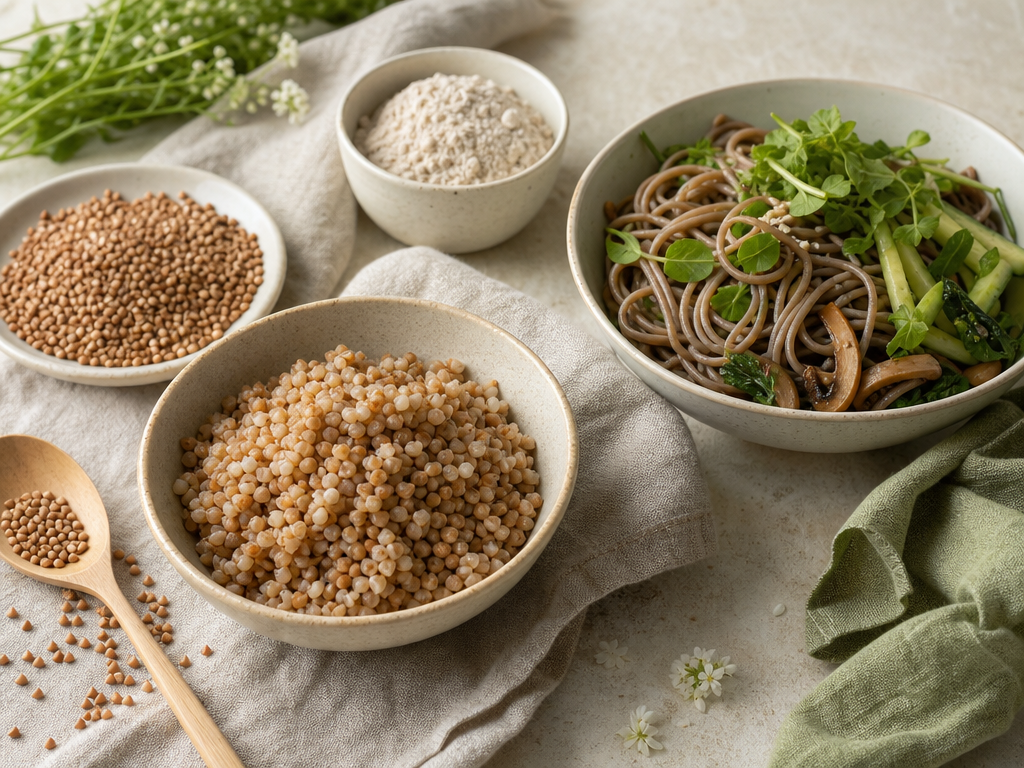
Buckwheat: nutrition, cooking and gluten-free precautions
Naturally gluten-free, with a nutritional profile worth knowing: how to cook buckwheat and read its limits without overselling it.
By Claire Mercier10 min read546
Mushrooms and Vitamin D2: The Role of UV Light
Mushrooms can contain vitamin D2 after UV exposure, but variety, storage, and cooking change the picture considerably.
By Claire Mercier5 min read515
Sourdough or Whole-Grain Bread: Fermentation, Fiber and a Practical Choice
Sourdough, whole grain, fiber, fermentation, gluten, salt and the label: the right criteria for choosing a bread day to day.
By Claire Mercier9 min read438