Whole Foods8 min read
Plant proteins: do you need to combine foods at every meal?
Do grains and legumes need to be paired at every meal? Where this rule comes from, what Anses and EFSA say about it, and how to organize a plant-based diet without doing the math.
AT A GLANCE
Before you dive in.
Do grains and legumes need to be paired at every meal? Where this rule comes from, what Anses and EFSA say about it, and how to organize a plant-based diet without doing the math.
Explore the articleThe image of the "incomplete" plant-based plate is hard to shake: you'd supposedly need to combine grains and legumes at every meal for the protein to be usable. The real answer is simpler. For most healthy adults, no calculation is needed at each plate. What matters is the total amount, the variety of sources across the day, and a sufficient energy intake.
Where does the idea of "complementary proteins" come from?
Do grains and legumes need to be eaten together?
What matters more than the perfect combination
When more precise planning becomes useful
A simple method
06FAQ
01Do I need to eat lentils and rice at the same meal? No. Pairing them is worthwhile, but the diversity of sources across the day matters more.
02Are plant proteins "incomplete"? No. Plant foods contain all the essential amino acids, in varying proportions. Soy has a particularly favorable profile.
03Can a plant-based diet meet protein needs? Yes, if it is varied, sufficiently energy-rich and tailored to the person. The context becomes more demanding during growth, pregnancy or illness.
04Do you need a protein powder? Not automatically. It can be convenient in certain cases, but it doesn't replace an assessment of diet and needs.
Sources
Peer-reviewed studies and institutional references used for this article.
- 1Anses· 2026Official guidelineEstablished
official summary on dietary protein
View source - 2Melina, Craig & Levin, Academy of Nutrition and Dietetics· 2016Official guidelineEstablished
official position on vegetarian and vegan diets
View source - 3EFSA (European Food Safety Authority)· 2012Official guidelineEstablished
nutritional reference values for protein
View source
Comments0 comments
No comments yet. Be the first to react.
Sign in to leave a comment. Sign in
Editor's reading list
Related reading
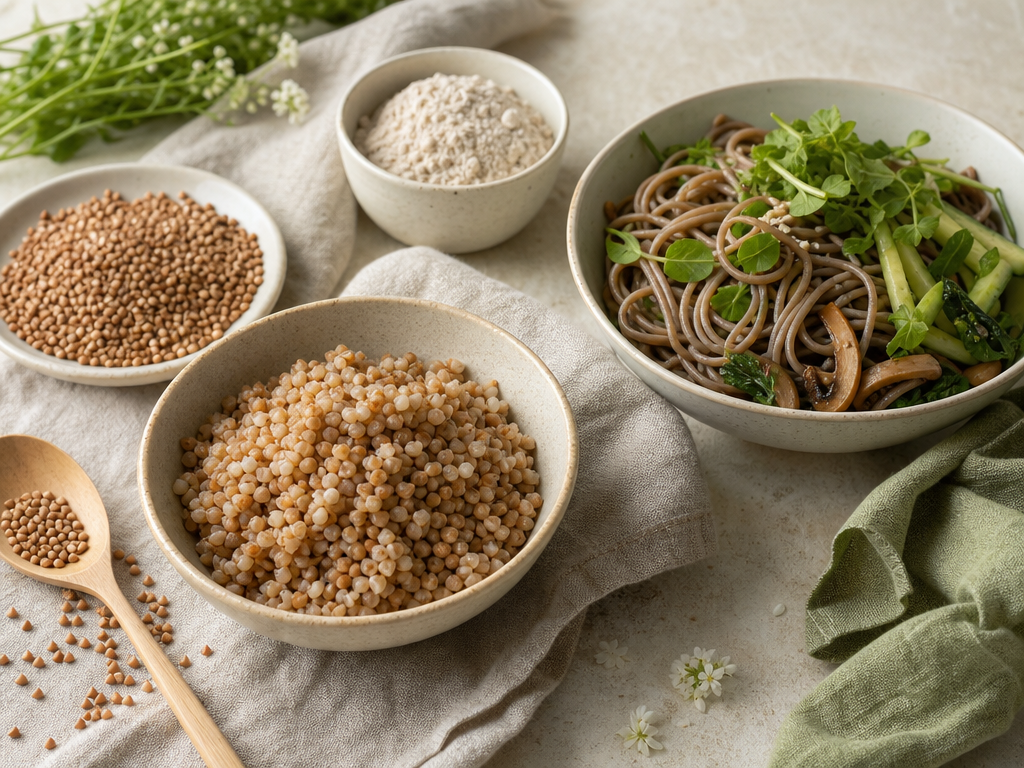
Buckwheat: nutrition, cooking and gluten-free precautions
Naturally gluten-free, with a nutritional profile worth knowing: how to cook buckwheat and read its limits without overselling it.
By Claire Mercier10 min read546
Mushrooms and Vitamin D2: The Role of UV Light
Mushrooms can contain vitamin D2 after UV exposure, but variety, storage, and cooking change the picture considerably.
By Claire Mercier5 min read515
Sourdough or Whole-Grain Bread: Fermentation, Fiber and a Practical Choice
Sourdough, whole grain, fiber, fermentation, gluten, salt and the label: the right criteria for choosing a bread day to day.
By Claire Mercier9 min read438