Whole Foods7 min read
Tomatoes and lycopene: raw, cooked, or with oil?
What cooking, crushing, and a drizzle of oil actually change for tomato lycopene, according to the studies, and why that doesn't turn a sauce into a remedy.
AT A GLANCE
Before you dive in.
What cooking, crushing, and a drizzle of oil actually change for tomato lycopene, according to the studies, and why that doesn't turn a sauce into a remedy.
Explore the articleA raw tomato and a tomato sauce don't offer quite the same profile. Heat, crushing, and a bit of fat change how much lycopene, the tomato's red pigment, the body can absorb. That doesn't turn a sauce into a treatment or a health guarantee, though.
Why preparation matters
Raw, cooked, or processed?
Should you add oil?
What can be concluded about health
Practical tips
06FAQ
01Is a cooked tomato always better than a raw one? No. Cooking makes lycopene more accessible but slightly reduces vitamin C. Both forms have their place.
02How much oil should you add? No specific amount is established for everyday cooking. A drizzle of oil or a fatty food in the meal is enough.
03Does tomato paste replace a lycopene supplement? It's neither a supplement nor a treatment, but a processed food. Check the salt and the ingredient list; a supplement isn't necessary to benefit from tomatoes.
04Do tomatoes prevent disease? Observational studies show associations, not proof of prevention.
Sources
Peer-reviewed studies and institutional references used for this article.
- 1Toydemir et al., Food Chemistry: X· 2022Literature reviewLimited
review on food processing and antioxidants
View source - 2Fielding et al., Asia Pacific Journal of Clinical Nutrition· 2005Randomized controlled trialLimited
23 healthy adults · 23 participants
View source - 3Dewanto et al., Journal of Agricultural and Food Chemistry· 2002Other sourceEstablished
experimental analysis of heated tomatoes
View source
Comments0 comments
No comments yet. Be the first to react.
Sign in to leave a comment. Sign in
Editor's reading list
Related reading
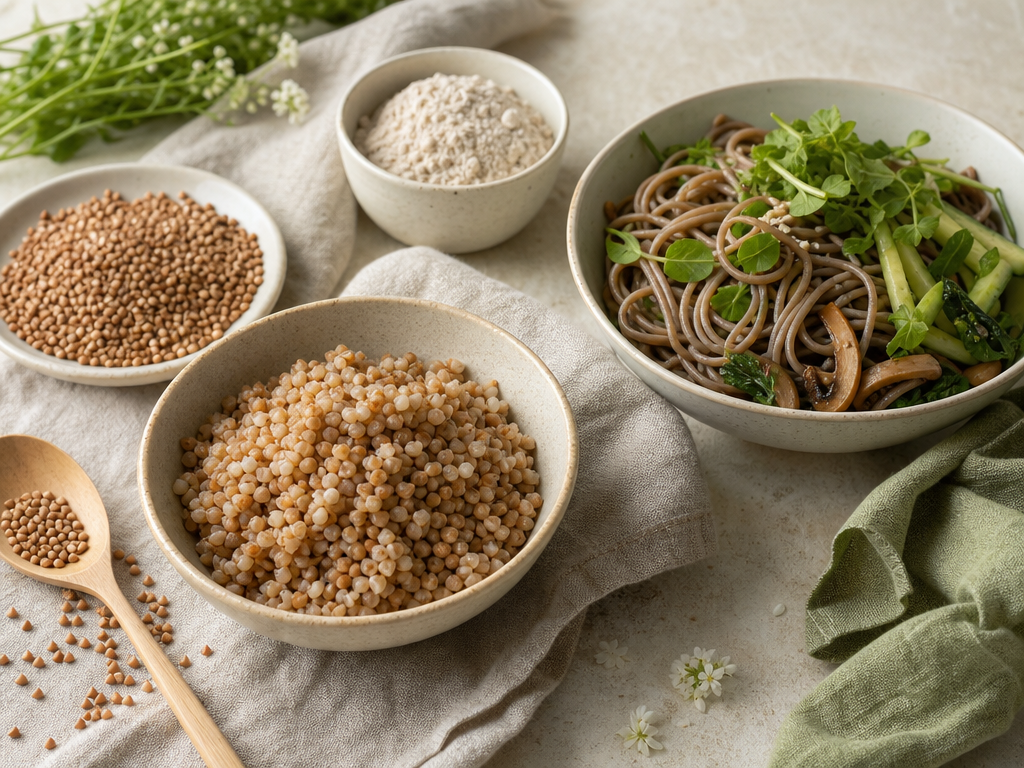
Buckwheat: nutrition, cooking and gluten-free precautions
Naturally gluten-free, with a nutritional profile worth knowing: how to cook buckwheat and read its limits without overselling it.
By Claire Mercier10 min read543
Mushrooms and Vitamin D2: The Role of UV Light
Mushrooms can contain vitamin D2 after UV exposure, but variety, storage, and cooking change the picture considerably.
By Claire Mercier5 min read514
Sourdough or Whole-Grain Bread: Fermentation, Fiber and a Practical Choice
Sourdough, whole grain, fiber, fermentation, gluten, salt and the label: the right criteria for choosing a bread day to day.
By Claire Mercier9 min read438