Whole Foods7 min read
High-protein breakfast: eggs, dairy, soy or oats, how do they compare?
Eggs, dairy, soy or oats: what each option offers in protein and fiber, what the research says about fullness, and four simple combinations to try.
AT A GLANCE
Before you dive in.
Eggs, dairy, soy or oats: what each option offers in protein and fiber, what the research says about fullness, and four simple combinations to try.
Explore the articleA high-protein breakfast isn't about finding one winning food. Eggs, dairy, soy and oats each bring a different mix of protein, fiber, micronutrients, texture and cost. The real task is combining them to fit your taste, your time and your budget.
What each option brings
What the research says about fullness
Comparing without ranking
Four simple combinations
Reading the label
06FAQ
01Is oatmeal enough for a high-protein breakfast? It contributes some protein, but mainly serves as a grain and fiber base. Pair it with dairy, a soy drink, seeds or an egg.
02Does soy replace milk or yogurt? Not automatically. Compare the ingredients, added sugars and protein of the specific product.
03Do you need to eat protein at breakfast? It's an option, not an obligation. Needs should be judged over the whole day.
04Does a protein breakfast help you lose weight? Studies show at best an effect on fullness; the long-term effect on weight is not established.
Sources
Peer-reviewed studies and institutional references used for this article.
- 1WHO (World Health Organization)Official guidelineEstablished
general recommendations on healthy eating
View source - 2Anses· 2026Official guidelineEstablished
nutritional reference for protein in adults
View source - 3Gwin J.A., Leidy H.J., Advances in Nutrition· 2018Literature reviewLimited
literature review on breakfast and satiety
View source
Comments0 comments
No comments yet. Be the first to react.
Sign in to leave a comment. Sign in
Editor's reading list
Related reading
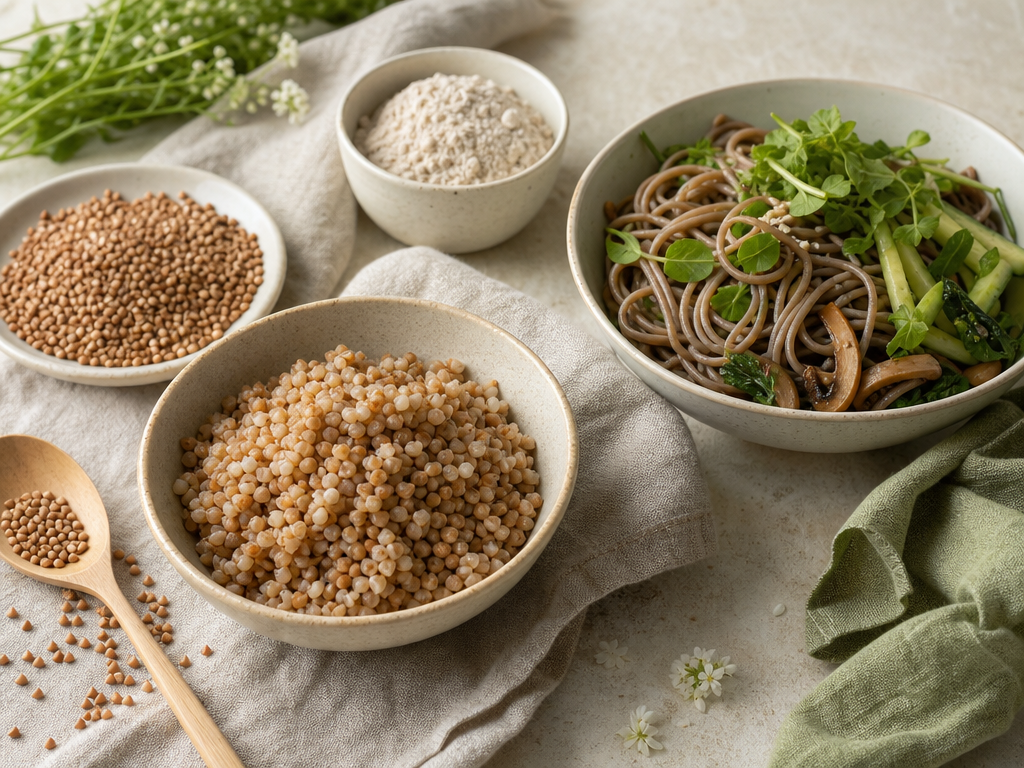
Buckwheat: nutrition, cooking and gluten-free precautions
Naturally gluten-free, with a nutritional profile worth knowing: how to cook buckwheat and read its limits without overselling it.
By Claire Mercier10 min read546
Mushrooms and Vitamin D2: The Role of UV Light
Mushrooms can contain vitamin D2 after UV exposure, but variety, storage, and cooking change the picture considerably.
By Claire Mercier5 min read515
Sourdough or Whole-Grain Bread: Fermentation, Fiber and a Practical Choice
Sourdough, whole grain, fiber, fermentation, gluten, salt and the label: the right criteria for choosing a bread day to day.
By Claire Mercier9 min read438