Whole Foods10 min read
Pumpkin Seeds: Nutrition, Zinc, Magnesium and Preparation
Nutrition, zinc, magnesium, preparation, portions and precautions: a sourced guide to using pumpkin seeds without therapeutic claims.
AT A GLANCE
Before you dive in.
Nutrition, zinc, magnesium, preparation, portions and precautions: a sourced guide to using pumpkin seeds without therapeutic claims.
Explore the articlePumpkin seeds, or pepitas once hulled, deserve better than miracle-food talk. They're rich, convenient, crunchy, and easy to add to a plate. They provide protein, fat, fiber, and minerals. None of that makes them a treatment. The useful question is more culinary and nutritional: which form to choose, what portion to keep in mind, how to prepare them, and which precautions to follow?
1. What pumpkin seeds actually provide
2. Zinc and magnesium: nutrients, not a therapeutic promise
3. Hull, pepitas, and portion
4. Rinsing, drying, roasting: a simple preparation
5. Salt, oil, and the label
6. Digestion, phytates, and bioavailability
7. Allergy and situations calling for caution
8. Adding them in without overestimating them
09FAQ
01Are pumpkin seeds a good source of magnesium? They can contribute to intake, especially hulled kernels, based on composition data. That doesn't mean they correct a deficiency or automatically improve sleep or cramps.
02Should they be eaten raw or roasted? Both forms can have a place. Roasting develops aroma and changes certain compounds. A lab study isn't enough to conclude that one form is universally better.
03Are they good for the prostate or urinary tract? Research exists on the oil or extracts. It doesn't allow whole seeds to be presented as a treatment for urinary or prostate symptoms. A persistent symptom should be medically evaluated.
04How much should you eat per day? There's no universal therapeutic dose. A small portion added to a meal is a practical benchmark, to be adjusted based on needs, other foods, and the label.
Conclusion
Sources
Peer-reviewed studies and institutional references used for this article.
- 1USDA FoodData CentralOfficial guidelineEstablished
nutritional composition database for pumpkin seeds
View source - 2Review, Food Science & Nutrition· 2026Literature reviewLimited
review on the composition and applications of pumpkin seeds
View source - 3Roasting study, Journal of Food Quality· 2021Other sourceLimited
Cucurbita pepo seeds heated at different temperatures
View source
Comments0 comments
No comments yet. Be the first to react.
Sign in to leave a comment. Sign in
Editor's reading list
Related reading
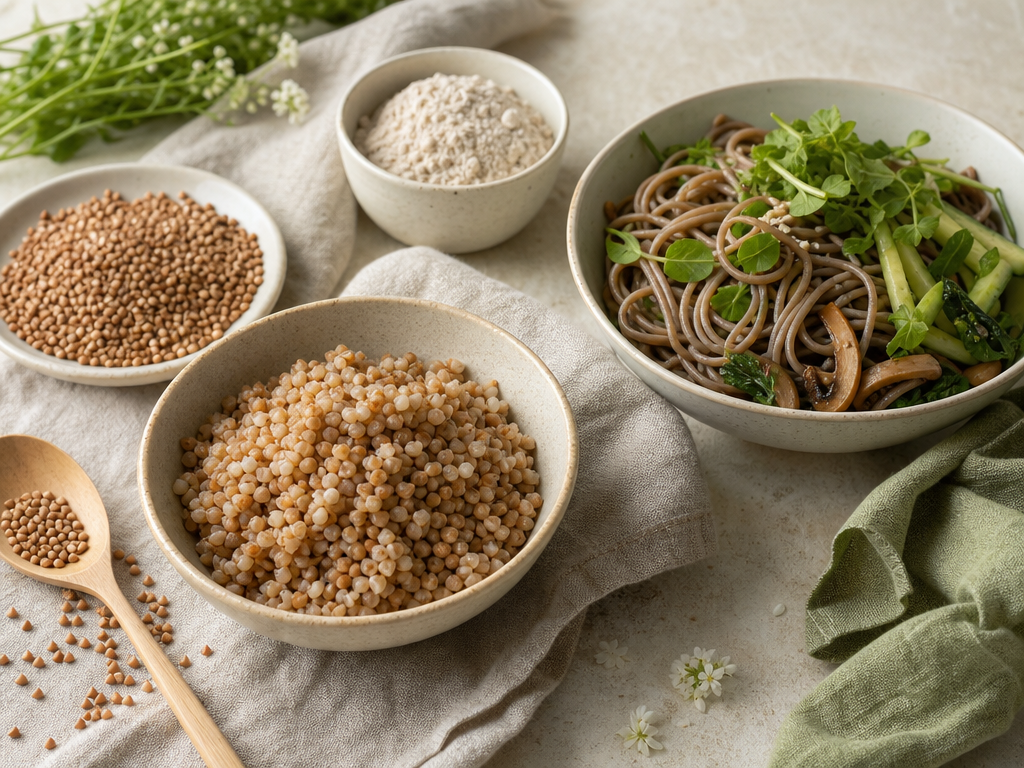
Buckwheat: nutrition, cooking and gluten-free precautions
Naturally gluten-free, with a nutritional profile worth knowing: how to cook buckwheat and read its limits without overselling it.
By Claire Mercier10 min read546
Mushrooms and Vitamin D2: The Role of UV Light
Mushrooms can contain vitamin D2 after UV exposure, but variety, storage, and cooking change the picture considerably.
By Claire Mercier5 min read515
Sourdough or Whole-Grain Bread: Fermentation, Fiber and a Practical Choice
Sourdough, whole grain, fiber, fermentation, gluten, salt and the label: the right criteria for choosing a bread day to day.
By Claire Mercier9 min read438